
Fill Dirt vs Topsoil: Key Differences, Costs & Uses (2026)

Quick Answer:
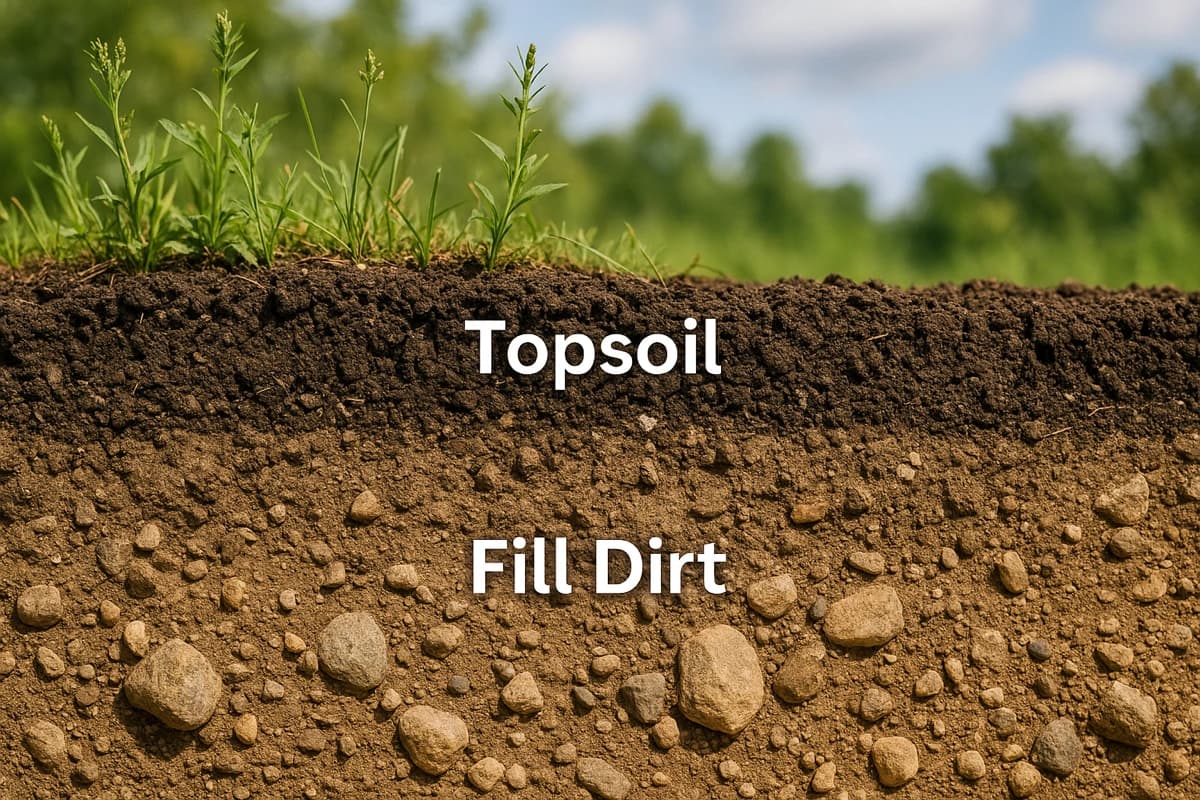
Topsoil is organic, nutrient-rich soil used for planting, gardening, and lawn establishment. Fill dirt is inorganic, rocky subsoil used for structural stability, grading, filling deep holes, and building foundations because it does not settle or decay.
One of the most common mistakes homeowners, DIYers, and even some novice contractors make is selecting the wrong type of soil for their yard projects. Buying premium, nutrient-rich topsoil to fill a deep hole in the backyard is an expensive waste of money. Conversely, sowing grass seeds or planting a vegetable garden directly into raw fill dirt is a guaranteed recipe for agricultural failure. Understanding the distinct roles of fill dirt vs. topsoil is the key to ensuring your landscaping is structurally sound and biologically vibrant.
Introduction to Soil Selection
Soil is not just "dirt." It is a complex mixture of minerals, organic matter, gases, liquids, and countless organisms that together support life. In the landscaping and construction industries, soil is categorized based on its depth in the earth, its mechanical properties, and its nutrient profiles. The two most common types of soil you will purchase for residential projects are topsoil and fill dirt. Choosing between them is not a matter of quality, but a matter of application. Each has a specific engineering and biological purpose.
What is Topsoil and Its Biology
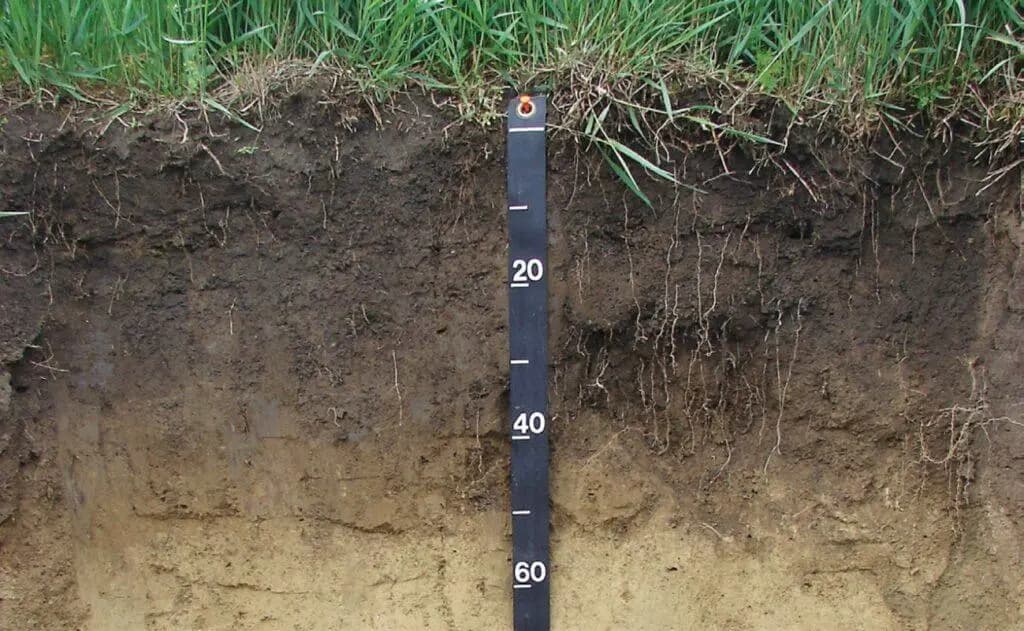
Topsoil is the outermost layer of the earth's surface, typically comprising the top 2 to 12 inches of soil depending on the geography. This layer is where biological activity happens. It contains a high concentration of organic matter, including decomposed leaves, grass clippings, dead roots, and wood debris. This organic material is rich in humic acids, carbon, nitrogen, phosphorus, and potassium, which are essential nutrients for plant growth.
Beyond nutrients, healthy topsoil is teeming with life. It is home to earthworms, beetles, fungi, and billions of beneficial bacteria. These organisms break down organic waste, aerate the soil naturally, and form symbiotic relationships with plant roots. This biological complexity gives topsoil its dark, rich color and crumbly texture, which holds water while allowing excess moisture to drain away. It is highly porous, meaning it holds oxygen, allowing plant roots to breathe.
Primary Uses for Topsoil:
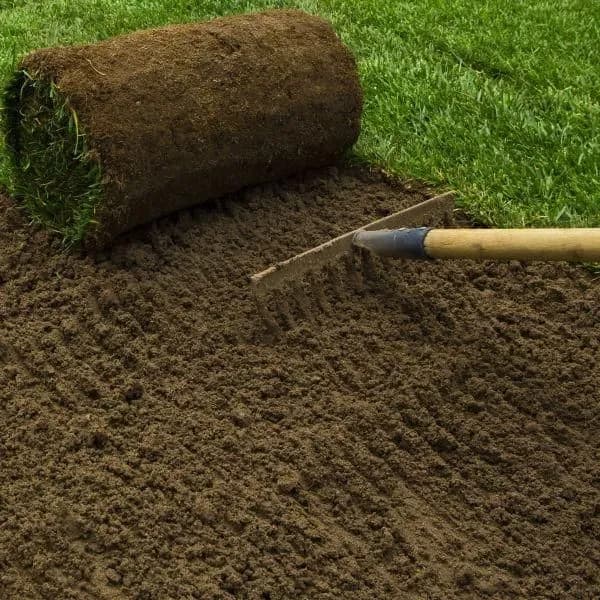
- Establishing new lawns (seeding or laying sod).
- Filling flower beds and borders.
- Creating vegetable gardens and raised garden boxes.
- Top-dressing existing lawns to introduce nutrients.
What is Fill Dirt and Its Structural Integrity
Fill dirt is the subsoil layer found directly beneath the topsoil. It is excavated from daily construction prep, basement digging, or pool excavation. Because it comes from deep underground, it is almost completely devoid of organic matter. It consists primarily of broken-down rocks, sand, silt, clay, and gravel.
While the lack of organic matter makes fill dirt useless for growing plants, it makes it highly valuable for construction. Organic matter decomposes over time. As organic material decays, it leaves behind empty air pockets. When pressure is applied to these pockets (by rain, footsteps, or building weight), the soil collapses and shifts. Since fill dirt has no organic matter, it does not decompose, settle, or shift over time. Once compacted, it provides a stable, permanent base.
On Reddit's home improvement forums, users frequently discuss the structural stability of fill dirt. As civil project coordinator dirt_mover notes: "If you are filling a hole deeper than 6 inches where stability matters—like a driveway base, a retaining wall, or next to a foundation—you must use fill dirt. If you use topsoil, the organic content will decay, water will wash it away, and you will end up with a sunken sinkhole within two seasons."
Primary Uses for Fill Dirt:
- Filling deep depressions, holes, or trenches.
- Grading the land around a home's foundation to redirect rainwater.
- Building retaining wall backfills and mounds.
- Serving as a stable base layer for driveways, patios, and decks.
Side-by-Side Comparison: Topsoil vs. Fill Dirt
To help visualize the fundamental differences between these two materials, refer to the side-by-side comparison below:
| Feature | Topsoil | Fill Dirt |
|---|---|---|
| Source Layer | Outermost layer (top 2 to 12 inches) | Subsoil layer (deep excavation) |
| Organic Content | High (compost, humic matter, microbes) | Extremely Low to None |
| Physical Composition | Loose loam, silt, organic particles | Clay, sand, gravel, small rocks |
| Compaction Capability | Poor (spongy, springy, settles over time) | Excellent (packs tightly, forms a solid block) |
| Water Drainage | Good water retention with controlled drainage | Poor drainage (tends to deflect or pool water) |
| Average Bulk Cost | Higher ($20 - $60 per cubic yard) | Lower ($10 - $25 per cubic yard) |
The Foundation Grading Rule: Preventing Water Damage
One of the most critical structural tasks for any homeowner is grading. Grading refers to sloping the soil around the house foundation so that rainwater flows away from the building rather than pooling against the concrete walls, which leads to cracked foundations and flooded basements. In this application, understanding soil behavior is a matter of home security.
The Foundation Grading Rule of Thumb is to use fill dirt for the structural slope and topsoil only as a thin top-dressing for lawn growth. When grading, you should pack clay-heavy fill dirt tightly against the foundation wall, shaping it so it slopes downward at a rate of 1 inch per foot for the first 6 feet away from the home. Because fill dirt compacts densely, it forms a water-resistant barrier that sheds water away. Once the slope is established, you spread a 3-to-4-inch layer of screened topsoil over the fill dirt to support grass roots. If you make the mistake of using topsoil for the entire slope, water will pass straight through the porous soil, accumulate against your basement walls, and cause structural damage.
The Importance of Screened Topsoil
If you call a bulk yard to order topsoil, they will likely ask if you want "screened" or "unscreened" soil. Screened topsoil has been passed through industrial mesh screeners to remove large rocks, roots, weeds, clay clumps, and debris. This screening process creates a uniform, fine, and loose texture that is extremely easy to spread with a rake and level out.
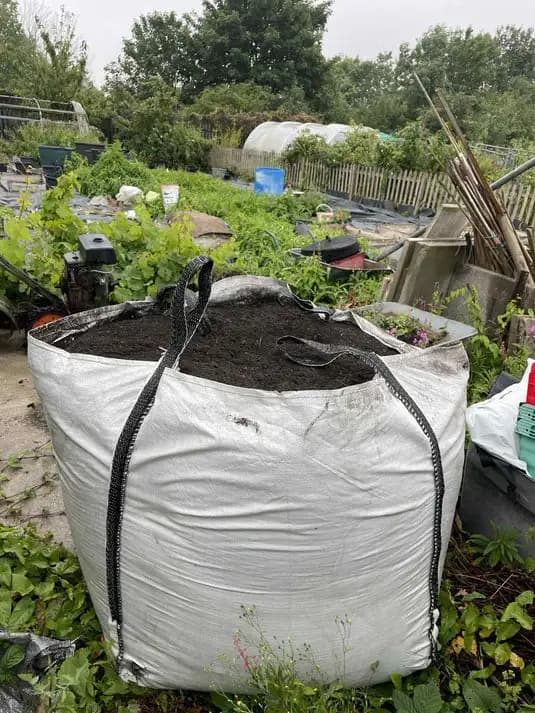
Unscreened topsoil is direct raw dirt. It is cheaper, but it contains all the rocks and roots it was dug up with. While unscreened topsoil is fine for filling deep areas that will eventually be covered, screened topsoil is mandatory for lawns and gardens where rock-free root paths are needed. If you try to spread unscreened topsoil on your lawn, you will spend days picking out stones and raking away thick clay clumps.
How to Transition and Blend Layers for Gardening
If your project involves planting over a base of fill dirt (for instance, after leveling a sloped yard), you cannot simply dump topsoil directly onto compacted subsoil. Doing so creates a distinct boundary layer between the two soils. When roots grow down through the loose topsoil and hit the hard, compacted clay of the fill dirt, they will bend sideways, leading to shallow, weak root systems. Furthermore, water will pool at the boundary, rotting the roots.
To avoid this, you must build a transition zone. First, spread about 2 inches of topsoil over the fill dirt base. Use a tiller or garden fork to mix this topsoil into the top 2 inches of the fill dirt. Once this transitional blend is created, add the remaining 2 to 4 inches of pure topsoil on top. This transitional layer allows plant roots to slowly adjust to the change in density and encourages deep root penetration.
Soil Selection Checklist by Project Type
Use this handy checklist to decide which material to purchase for your upcoming project:
- Filling a deep hole/sinkhole in the yard: Fill dirt for the bottom layers (compacting every 6 inches); top 4 inches with screened topsoil.
- Building a retaining wall base: Compacting fill dirt at the base for structural strength.
- Creating a raised vegetable garden bed: Premium screened topsoil (or a 50/50 blend of topsoil and organic compost). Do not use fill dirt.
- Top-dressing a thin, bumpy lawn: Screened topsoil or clean compost, spread at a maximum depth of 0.25 to 0.5 inches.
- Leveling a backyard patio base: Compacted fill dirt and gravel sand. Topsoil should not be used under pavers.
Sources and Community References
- Reddit Landscaping discussion on when fill dirt is structurally required over topsoil: landscaping - Structural Soil Fill and Compaction
- Reddit HomeImprovement thread debating grading and foundation protection using fill dirt: lawncare - Grading and Foundation Protection
Atlas Keller's editorial scope covers Infinix material-volume, coverage, and construction planning content. Quantities and costs are estimates, not engineering specifications or supplier quotes.