
How Much Topsoil Do I Need? Complete Landscaping Guide

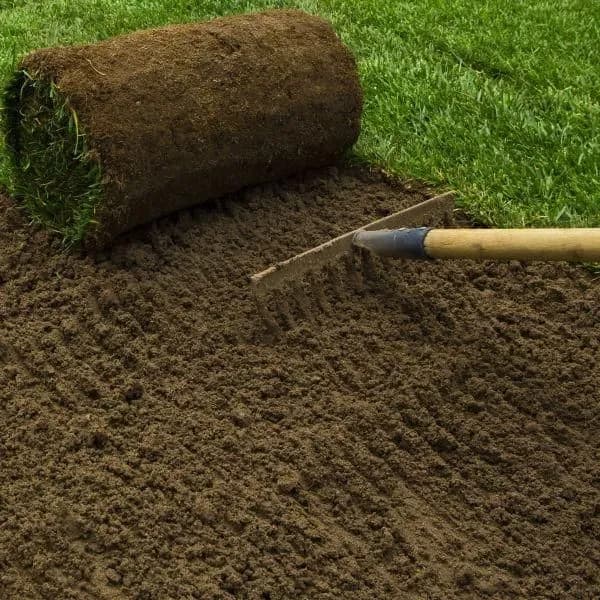
Quick Answer:
To calculate how much topsoil you need, multiply your project's Length × Width × Depth (in feet) to get the total cubic feet, then divide by 27 to convert to cubic yards. Finally, add a 10% to 15% safety buffer to account for settling and compaction.
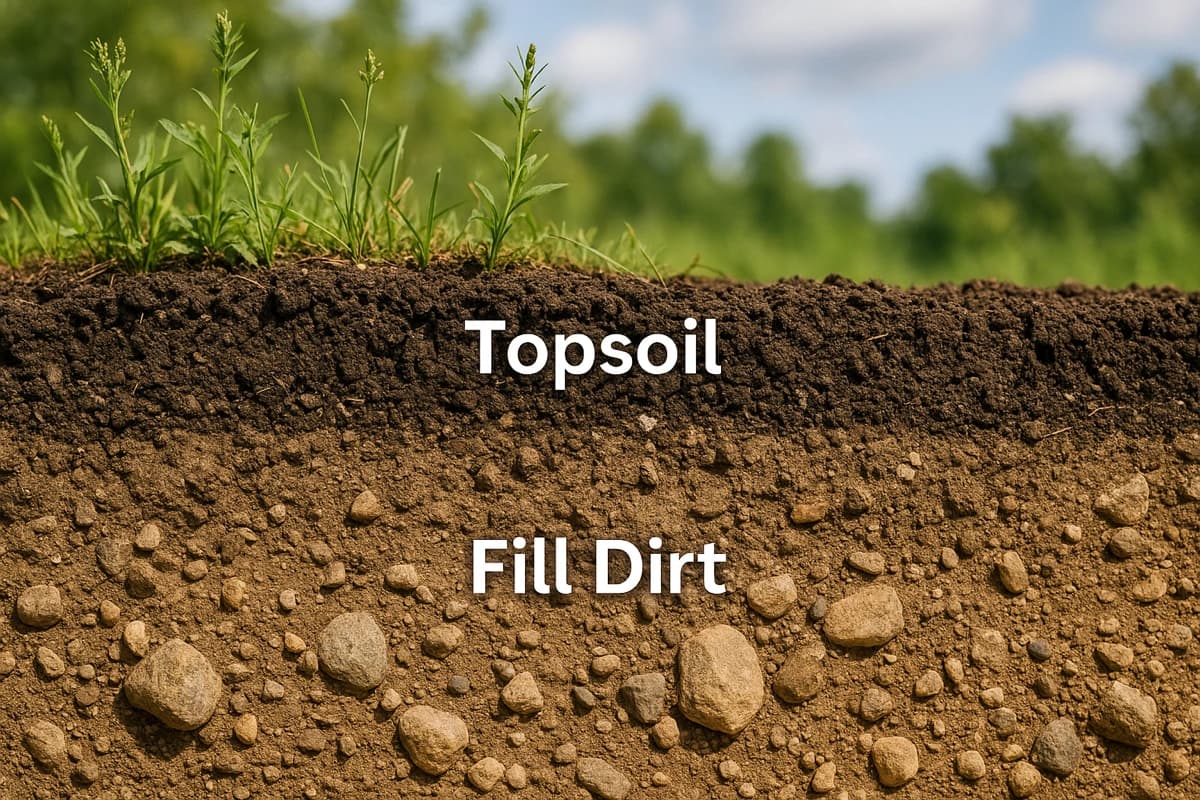
Starting a landscaping project can be exciting, but nothing halts momentum faster than running out of soil halfway through laying down a new lawn, or conversely, staring at a massive, leftover mound of dirt on your driveway. Finding that perfect balance requires precise mathematical estimation. Whether you are top-dressing a lawn, building raised vegetable garden beds, or grading soil (learn about fill dirt vs topsoil differences) away from your home’s foundation, knowing exactly how much topsoil to order is crucial.
Why Accurate Topsoil Measurement Matters
When buying topsoil (see our topsoil cost guide), you generally purchase in one of two ways: in bulk (measured in cubic yards) or in bags (measured in cubic feet). In bulk landscaping, delivery is often the single most expensive line item. Many suppliers charge a flat delivery fee ranging from $50 to $150 per truckload. As Reddit user soilguru warns in community discussions, "Underestimating your soil needs is a costly mistake. If you fall short by even a half-yard, you will have to pay a second full delivery charge just to get that last bit of dirt transported."
On the flip side, over-ordering leads to waste. You are left with a massive pile of soil that you either have to wheelbarrow to another part of your yard, give away to neighbors, or watch wash away in the next heavy rain. By utilizing a standardized topsoil calculator process, you minimize financial waste, optimize labor hours, and ensure your plants have the exact structural foundation they need to thrive.
The Golden Formula for Volume Calculations
To determine the volume of topsoil needed, we must think in three dimensions: length, width, and depth. Because bulk topsoil is sold by the cubic yard, the goal of our calculations is to convert all measurements into feet, find the total cubic feet, and then convert that figure into cubic yards. One cubic yard is a three-dimensional block that is 3 feet long, 3 feet wide, and 3 feet deep, which equals exactly 27 cubic feet.
Here is the step-by-step breakdown of the Golden Formula:
Step 1: Determine the Square Footage (Area)
Area (sq ft) = Length (feet) × Width (feet)
Step 2: Convert Desired Depth to Feet
Depth (feet) = Depth (inches) ÷ 12
Step 3: Calculate Total Volume in Cubic Yards
Cubic Yards = [Area (sq ft) × Depth (feet)] ÷ 27
This basic formula works perfectly for standard rectangular or square planting zones. However, yards are rarely made up entirely of clean rectangles.
Calculating Soil for Circles, Triangles, and Irregular Beds
If you are landscaping around trees, corners, or curved walkways, you will need to adapt your area calculations to fit different geometric profiles before applying the depth conversion.
1. Circular Beds (e.g., around trees or fire pits)
To find the area of a circle, measure the radius (the distance from the center point to the outer edge, which is half of the total diameter). Use the standard formula:
Area (sq ft) = π × r² (where π ≈ 3.14159, and r is the radius in feet)
For example, if you have a circular flower bed with a diameter of 12 feet, the radius is 6 feet. The area calculation is: 3.14159 × 6 × 6 ≈ 113.1 sq ft.
2. Triangular Beds (e.g., corner garden plots)
To find the area of a right-angle or standard triangle, measure the base and the height (perpendicular distance from the base to the opposite peak):
Area (sq ft) = 0.5 × Base × Height
If your corner bed has a base of 10 feet and extends 8 feet out, the area is: 0.5 × 10 × 8 = 40 sq ft.
3. Irregular or Curved Beds
For organic shapes, the best practice is to split the overall footprint into smaller rectangles, triangles, or semi-circles, calculate the area of each section separately, and sum them together. Alternatively, treat the shape as a rough rectangle by measuring the maximum length and average width, then multiply them to establish a safe boundary area. In these cases, utilizing a dedicated topsoil coverage calculator online saves time and checks your manually calculated math.
Soil Compaction, Settling, and the 10% Waste Factor
One of the most frequent points of discussion on gardening subreddits is the physical behavior of soil after it has been delivered and laid down. Soil contains air pockets. When a supplier dumps soil, it is loose and aerated. However, as soon as you spread it, walk on it, roll it, or water it, gravity and moisture pull the soil particles closer together. This process is called soil compaction or settling.
As noted by lawn enthusiast turf_whisperer in a popular Reddit thread: "Never order exactly what your volume math tells you. Loose topsoil will pack down by about 10% to 15% once it gets wet or compacted with a lawn roller. If you order the exact cubic yardage, your final grade will end up lower than you planned."
To prevent this, professional landscape designers add a standard 10% to 15% waste and compaction factor to their calculations. To apply this, simply multiply your final cubic yards figure by 1.10 or 1.15. This buffer accounts for settling, uneven base ground, and minor spillages during transfer.
Step-by-Step Practical Calculation Example
Let's run through a realistic scenario to see how these factors apply in practice. Suppose you are installing a new lawn in a backyard area that measures 40 feet long by 30 feet wide. Your local landscape architect recommends a topsoil depth of 4 inches (read our guide on best soil depth for grass) to ensure a strong root network. How much soil should you order?
- Calculate Square Footage: 40 ft × 30 ft = 1,200 sq ft.
- Convert Depth to Feet: 4 inches ÷ 12 = 0.333 feet.
- Calculate Cubic Feet: 1,200 sq ft × 0.333 ft = 400 cubic feet.
- Convert to Cubic Yards: 400 cubic feet ÷ 27 ≈ 14.81 cubic yards.
- Apply the Compaction/Waste Factor (10%): 14.81 × 1.10 = 16.29 cubic yards.
In this scenario, you should round up and order 16.5 cubic yards of topsoil. This ensures that even after the soil settles and compacts down to the target 4-inch depth, you will have plenty of material to achieve a flat, level grade.
Bagged Soil Math: How Many Bags Do You Need?
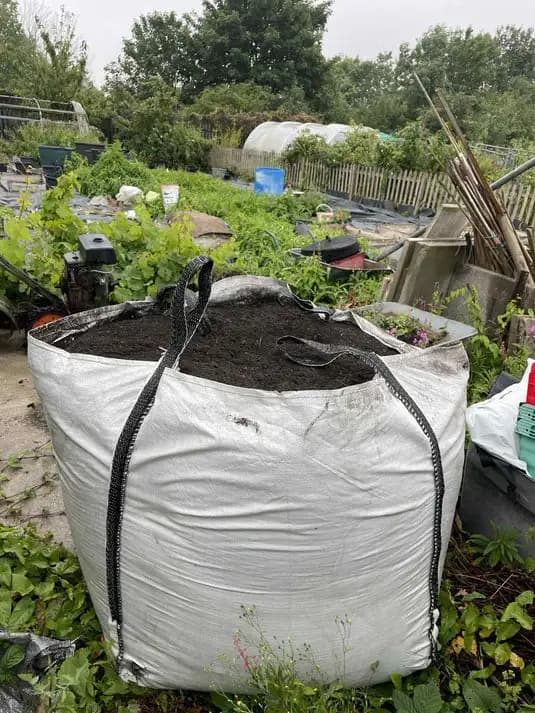
If you are working on a smaller project, such as a raised garden bed or patching small spots on your lawn, ordering a dump truck delivery of bulk soil might not be practical or cost-effective. Instead, you will likely buy bagged topsoil from a local nursery or home improvement store. Standard bags are sold by cubic feet, typically in sizes of 0.75 cubic feet or 1.0 cubic foot.
To find out how many bags you need, take your total calculated cubic feet (before dividing by 27) and divide it by the volume capacity of the bag:
- If using 0.75 cu ft bags: Total Cubic Feet ÷ 0.75 = Total Bags needed
- If using 1.0 cu ft bags: Total Cubic Feet ÷ 1.0 = Total Bags needed
Using our previous example of 400 cubic feet (before bulk conversion):
- If buying 0.75 cu ft bags: 400 ÷ 0.75 ≈ 534 bags.
- If buying 1.0 cu ft bags: 400 ÷ 1.0 = 400 bags.
Buying 400 to 500 bags of soil is incredibly labor-intensive and expensive. A single bag of standard topsoil costs about $3.50. At 400 bags, that equals $1,400. In comparison, bulk topsoil costs between $20 and $40 per cubic yard. The 16.5 yards of bulk soil would cost roughly $495 (materials) plus a $100 delivery fee, bringing the total to $595. Bulk soil is nearly 60% cheaper for this size of project!
Additionally, pay attention to weight limits. A single cubic yard of dry topsoil weighs around 2,000 to 2,200 pounds (over 1 ton!). If the soil is wet, that weight can spike to 3,000 pounds. A typical half-ton pickup truck (like an F-150) has a maximum payload capacity of about 1,500 to 2,000 pounds. Trying to load a full yard of wet soil into your truck bed can damage your suspension. If your calculation indicates you need more than 2 cubic yards of soil, professional bulk delivery is safer, cheaper, and saves you from unloading hundreds of individual bags.
Recommended Soil Depths by Project Type
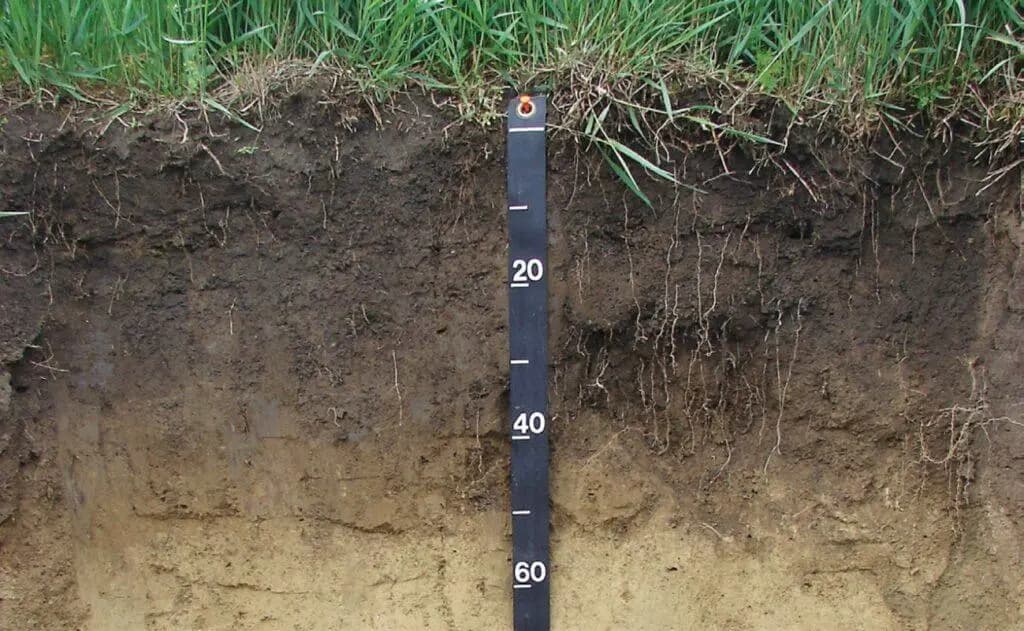
Different plants require different depths of soil to establish healthy, strong root structures. Spreading too much soil can suffocate roots or block water drainage, while spreading too little will starve plants of nutrients and leave them vulnerable to drought.
| Project Type | Recommended Depth (Inches) | Technical Rationale |
|---|---|---|
| Lawn Top Dressing | 0.25" to 0.5" | Introduces organic matter to existing grass without blocking sunlight or smothering grass crowns. |
| New Lawn (Seeding/Sod) | 4" to 6" | Provides a thick, loose layer for grass seeds to germinate and establish roots deep enough to survive summer droughts. |
| Flower & Vegetable Beds | 8" to 12" | Accommodates deep taproots of vegetables and perennial flowers, maximizing water retention. |
| Raised Garden Beds | 12" to 18" | Allows for ideal drainage and creates an isolated, nutrient-rich root zone away from compacted native subsoil. |
| Tree & Shrub Planting | 18" to 24" | Ensures root balls have loose, organic soil surrounding them to encourage outward root spread. |
Common Topsoil Estimation Mistakes to Avoid
To ensure a flawless project execution, watch out for these common estimation pitfalls highlighted by landscaping pros:
- Ignoring Compaction: Ordering exact volumes without the 10%-15% buffer always results in a sunken final grade.
- Mixing up Topsoil and Fill Dirt: Fill dirt is compacted subsoil with zero organic matter. Planting directly into it leads to dead grass. Topsoil should only occupy the top 3-6 inches of a graded area.
- Underestimating Slope: If your yard has dips, valleys, or a significant slope, you will need more soil to achieve a level plane. Measure the deepest areas to establish your depth parameters.
- Neglecting Existing Soil Prep: Before dumping new topsoil, till or aerate the existing hard soil. Spreading new soil directly over compacted clay creates a hard barrier that prevents root penetration and traps water, causing root rot.
Sources and Community References
- Reddit Lawncare Community Discussion on calculating soil requirements: lawncare - Calculating Topsoil
- Reddit Landscaping Community Advice on estimating soil volume for uneven yards: landscaping - Topsoil Volume Estimation
Atlas Keller's editorial scope covers Infinix material-volume, coverage, and construction planning content. Quantities and costs are estimates, not engineering specifications or supplier quotes.