
Best Soil Depth for Grass: Lawn Seeding & Sod Guide 2026

Quick Answer:
A healthy, resilient residential lawn requires a minimum of 4 to 6 inches of loose, quality topsoil. While grass seeds can germinate in shallower soil, deep topsoil is essential to establish strong roots, retain moisture, and withstand summer droughts.
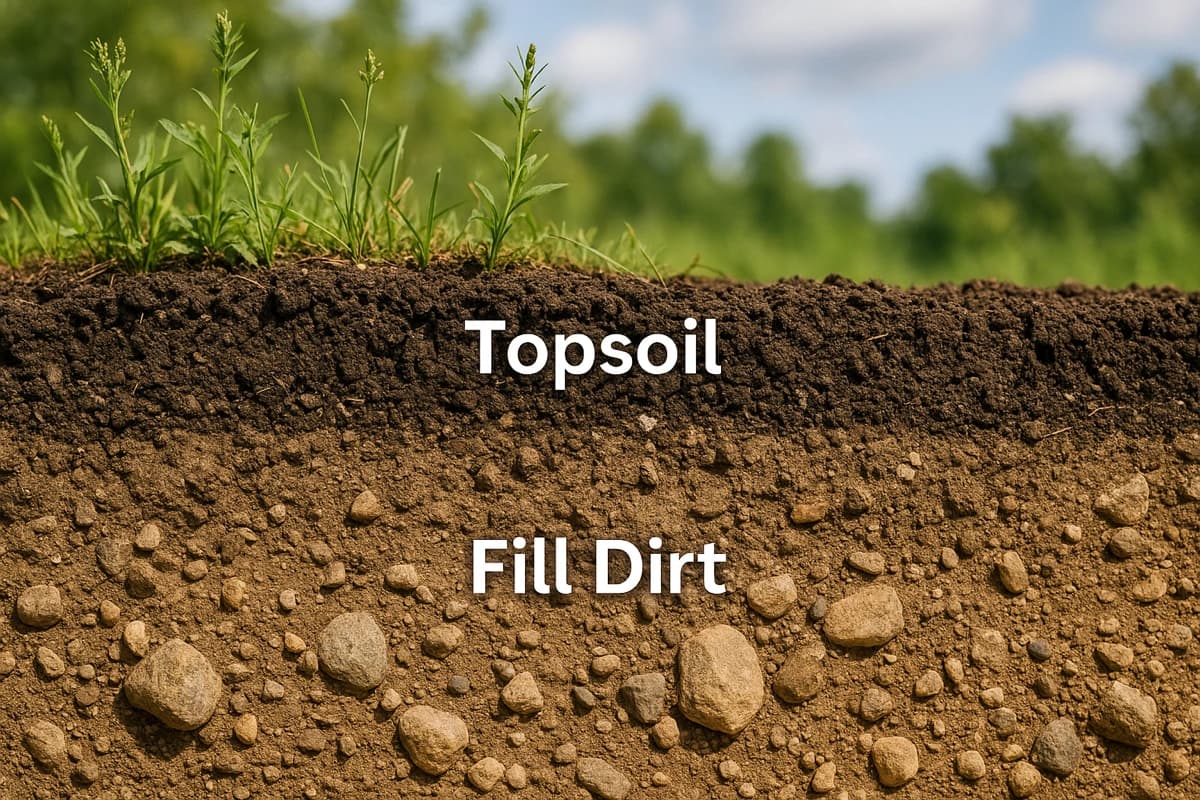
If you're planting a new lawn, laying sod, or overseeding thin patches, the physical foundation of your turf determines its lifetime health. Scattering grass seeds over hard-packed clay or rock-ridden fill dirt is a waste of time and money; it results in weak, shallow-rooted grass that burns out and goes dormant during the first dry weeks of summer. To establish a lush, thick, and green carpet of lawn, you must provide a proper depth of high-quality topsoil that can sustain turf roots through all weather conditions.
Introduction to Turf Root Systems
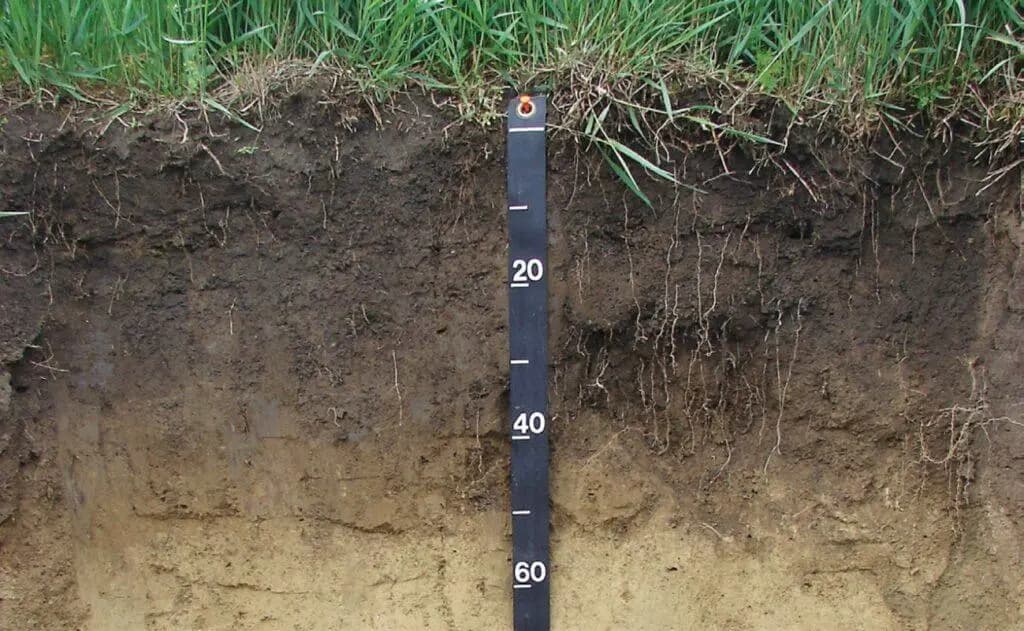
Most homeowners focus entirely on what is visible above the surface—the height, greenness, and thickness of the grass blades. However, the health of the foliage is a direct reflection of the root system below. Grass roots anchor the plant, draw moisture from deep in the earth, and absorb nutrients. In poor, compacted soil, roots are starved of oxygen and water, forcing them to remain thin and close to the surface. Providing a generous depth of loose topsoil creates a subterranean network where roots can expand freely.
The 6-Inch Standard for Root Health
For almost all residential turfgrass species—such as Kentucky Bluegrass, Tall Fescue, Bermuda, and Zoysia—the professional landscaping standard is a minimum of **4 to 6 inches of loose, quality topsoil**. While grass seeds can germinate in as little as 1 to 2 inches of soil, the turf will remain weak, patchy, and highly susceptible to diseases. A 6-inch layer allows roots to mature to their natural length and creates a sponge-like reservoir for water storage.
Drought Tolerance and Root Architecture
The primary advantage of deep topsoil is drought resistance. When a dry spell hits, the top 2 inches of soil dry out first. If your grass has roots that are only 2 inches deep, the lawn will turn brown, dry up, and go dormant within days of hot weather. If you have 6 inches of loose topsoil, however, the grass roots will grow 6 to 8 inches deep, tapping into the cool, moist subsoil layers. As landscaping expert soil_doctor explains in online discussions: "Deep soil acts as a moisture buffer. Lawns with 6 inches of loam require up to 50% less irrigation than lawns built on a thin 2-inch layer of dirt over clay. The roots go deep, finding water that doesn't evaporate."
Additionally, deeper soil provides better **nutrient retention**. Topsoil contains humus and clay particles, which have a high Cation Exchange Capacity (CEC). This chemical property allows topsoil to bind to key nutrients like nitrogen, phosphorus, and potassium, preventing them from washing away when you water your lawn.
Soil Prep for Seeding vs. Laying Sod
How you prepare your topsoil depends on whether you are seeding a lawn or installing instant sod:
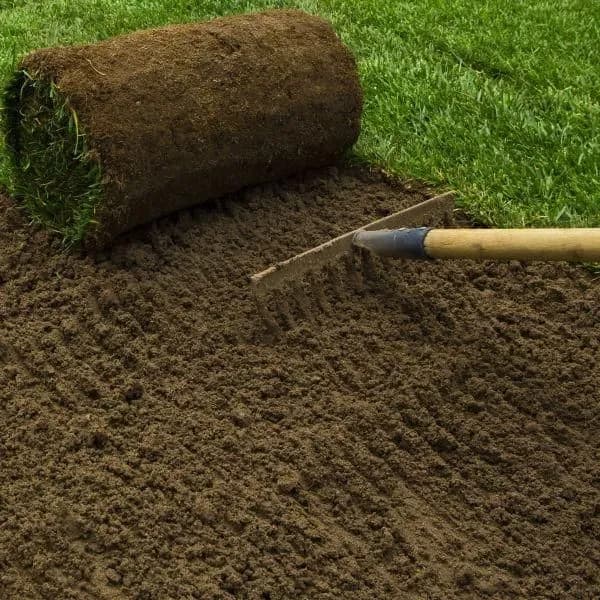
- Preparing for Seeding: Tilling is essential. Spread 4 to 6 inches of screened topsoil over the area and till it into the top 2 inches of the native soil to avoid creating a boundary layer. Rake the surface smooth, sow the seeds, and lightly roll the area to ensure the seeds make direct contact with the soil. Keep the top 1 inch of soil consistently damp until germination occurs.
- Preparing for Sodding: Sod rolls are grown on farms and are harvested with a 0.5-to-1-inch layer of soil and root mat already attached. When preparing the ground, you should lay down 4 to 5 inches of loose topsoil, grade it, and lightly compact it so it is firm enough that your feet don't sink in more than half an inch. The surface of the soil bed should be graded exactly 1 inch lower than adjacent concrete walkways, patios, and driveways, so that when you lay the sod on top, the grass sits perfectly flush with the hardscaping.
How to Spread Soil Over Existing Grass (Top-Dressing)
If your lawn is already established but looks thin, bumpy, or nutrient-starved, you can add topsoil through a process called **top-dressing**. However, you must be extremely careful not to smother the existing turf.
The golden rule of top-dressing is to never spread more than **0.25 to 0.5 inches** of topsoil at a single time. Spreading any deeper will bury the grass crowns and blades, blocking sunlight and killing the grass. For best results, use a 50/50 blend of screened topsoil and organic compost. Rake it over the yard using a lawn leveling rake or drag mat to let the soil settle between the blades.
As lawn care advocate lawn_ninja recommends in community threads: "Core aeration before top-dressing is a game changer. The aerator pulls plugs of clay out of the lawn, leaving open holes. When you spread your topsoil/compost mix, the new rich soil fills the holes, putting organic nutrients directly into the root zone and loosening the clay from the inside out."
Understanding Soil Compaction in Lawns
Over time, heavy foot traffic, lawnmowers, and rain compress the soil particles, pushing out the air pockets. Compaction is especially common in soils with high clay content. Compacted soil is hard, blocking water from soaking in and preventing roots from expanding. If your lawn pools water after a light rain or feels rock-hard underfoot, it is compacted. To maintain root health, aerate your lawn once a year in the autumn (for cool-season grasses) or spring (for warm-season grasses), and top-dress with screened organic matter to gradually improve the soil structure.
Sources and Community References
- Reddit Lawncare community discussion on ideal soil depths for new sod installation: lawncare - Soil Preparation for Sod
- Reddit Landscaping thread on top-dressing lawns with compost and core aeration: landscaping - Top-Dressing and Aeration Techniques
Atlas Keller's editorial scope covers Infinix material-volume, coverage, and construction planning content. Quantities and costs are estimates, not engineering specifications or supplier quotes.