
Your Raw Score vs. LSAT Score: How the Conversion Works (2026 Format)


Quick Answer:
Your raw LSAT score (number of correct answers typically out of 75 or 76) is converted into a scaled score (120–180) based on test difficulty. For instance, answering 75% correct (57 answers) scales to a 162–164, while 67% correct (51 answers) scales to a 157–159.
If you're preparing for the Law School Admission Test (LSAT), you've likely taken a practice exam, counted up your correct answers, and wondered: how does this translate to my final score? Read our guide on LSAT raw score conversion.
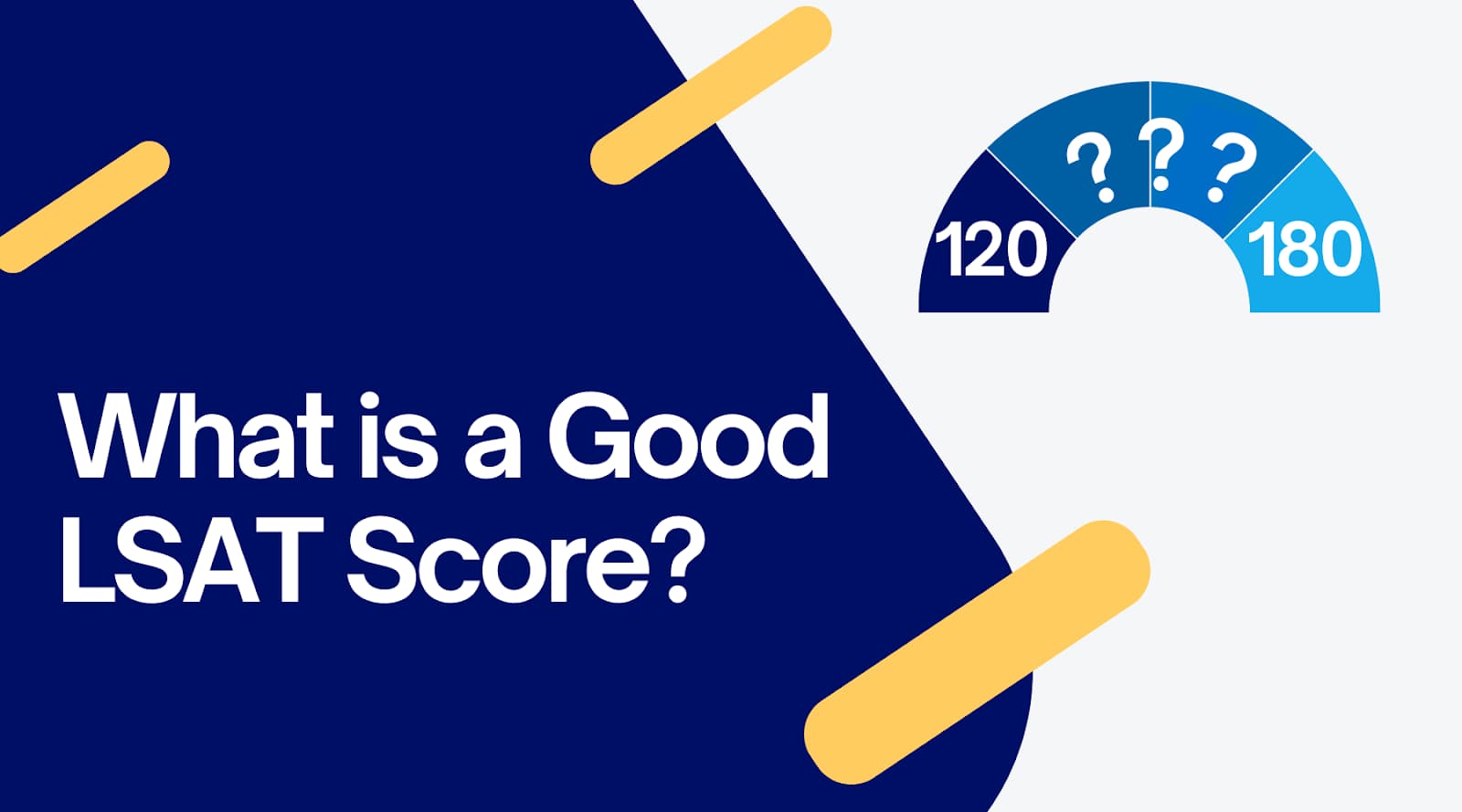
Unlike standard school tests where 90% is an A and 60% is a D, the LSAT uses a complex scaling system. Your raw score (the number of questions you answer correctly) is converted into a scaled score ranging from 120 to 180. This guide explains how this conversion works under the modern exam structure.
Raw Score vs. Scaled Score: What's the Difference?
Your LSAT performance is calculated using two primary metrics:
- Raw Score: This is the absolute count of questions answered correctly. There is no penalty for incorrect answers on the LSAT, so you should never leave a question blank. If you answer 55 questions correctly out of the scored set, your raw score is 55.
- Scaled Score: This is the official score between 120 and 180 that law schools see. As documented in the official LSAC Score Understanding Guide, the Law School Admission Council (LSAC) converts your raw score using a statistical process called equating. This ensures that a score of 165 on a harder test version reflects the same ability level as a 165 on an easier version.
How Many Questions Are Scored in the 2026 LSAT?
Following major structural updates, the LSAT consists of three scored sections and one unscored experimental section. The analytical reasoning section (commonly known as "Logic Games") has been removed. Now, the scored portion consists of:
- Logical Reasoning (2 Sections): Approximately 50-52 scored questions total.
- Reading Comprehension (1 Section): Approximately 24-26 scored questions total.
This brings the total number of scored questions on the exam to approximately 75 or 76. Knowing the exact question count helps us calculate percentage equivalents.
The removal of Logic Games has shifted the exam's focus. On the popular LSAT community boards, users like lsat_veteran discuss this shift: "Without analytical reasoning, your raw score conversion is much more sensitive to logical reasoning mistakes. Getting 5 questions wrong in LR now has a larger negative impact on your scaled score compared to the old format."
Percentage Correct to Scaled Score Equivalents
Many students want to map their percentage of correct answers to their target score. Let's look at two common benchmarks:
What is 75% correct on the LSAT?
On a 76-question test, answering 75% of the questions correctly corresponds to a raw score of 57 correct answers. Under standard conversion tables, a raw score of 57 translates to a scaled score of 162 to 164. This score puts you in the top 15% of all test-takers globally and makes you a highly competitive applicant for many regional and national law schools.
What score is a 67% on the LSAT?
Answering 67% of the questions correctly results in a raw score of 51 correct answers. A raw score of 51 typically scales to a score of 157 to 159 (around the 70th to 75th percentile). While slightly below the top tier, this is a strong score that keeps you in the running for numerous quality law schools, particularly when paired with a strong GPA.
What Score is 7 Questions Wrong on the LSAT?
For candidates aiming at top-tier or "T14" law schools, precision is key. A common elite benchmark question is: What score is 7 questions wrong on the LSAT?
If you get only 7 questions wrong on a 76-question LSAT, your raw score is 69 correct answers. A raw score of 69 is exceptionally high. On standard conversion tables, this raw performance converts to an elite scaled score of 172 to 174. This places you in the 98th to 99th percentile of all test-takers, making you a prime candidate for Ivy League law schools and substantial merit scholarships.
Convert Your Score Instantly
Want to avoid doing the manual calculations? Use our interactive LSAT Score Calculator to select specific historical tests and convert section scores to scaled scores instantly.
Open LSAT CalculatorSample LSAT Raw Score Conversion Table
While each test form has a slightly different conversion chart (or "score scale"), the table below shows a typical conversion estimate for a modern 76-question LSAT exam:
| Raw Score (Out of 76) | Estimated Scaled Score | Percentile Rank |
|---|---|---|
| 72 - 76 | 175 - 180 | 99.5% - 99.9% |
| 68 - 71 | 170 - 174 | 97.4% - 99.3% |
| 62 - 67 | 165 - 169 | 90.4% - 96.2% |
| 55 - 61 | 160 - 164 | 80.2% - 88.9% |
| 48 - 54 | 153 - 159 | 53.2% - 76.5% |
| 42 - 47 | 148 - 152 | 36.1% - 50.0% |
| 35 - 41 | 140 - 147 | 15.0% - 32.8% |
Sources and Community References
- Official LSAC Guide on understanding your LSAT scores: LSAC - Understanding Your Score
- Reddit LSAT community discussion on logical reasoning weights and raw score conversion: LSAT Community Board
Rowan Vance's editorial scope covers Infinix mathematics, unit conversions, ratings, and educational scoring guides. No university or testing-agency affiliation is claimed.