
Roof Shingle Calculator Guide: Estimate Bundles and Compare Shingle Options

Quick estimate:
A roofing square is 100 square feet of sloped roof surface. Estimate the roof area, add a suitable cutting allowance, then check the exact package coverage for the selected product. Our roof shingle calculator estimates area, squares, bundles, and bundle cost; its bundle estimate assumes three bundles per square, so verify that assumption against the manufacturer's package label before ordering.
Choosing shingles is not just a brand popularity contest, and estimating materials is not the same as inspecting a roof. A useful decision starts with two separate questions: how much material does this roof need, and which product is appropriate for its slope, climate, design, budget, and installation conditions? This guide works through the estimate and gives you a checklist for comparing products and reviewing a replacement proposal. It does not rank brands or replace a roofer's inspection.
Measure Roof Area and Convert It to Roofing Squares
A roofing square represents 100 square feet of actual roof surface, not necessarily 100 square feet of the home's floor plan. For a simple rectangular building, begin with the footprint including eave overhangs. Multiply that area by a pitch factor to account for the sloped surface:
Estimated roof area = footprint area including overhangs × pitch factor
Then divide the roof area by 100 to get the number of squares. Roof sections, dormers, valleys, hips, skylights, and unusual layouts need to be measured separately or checked by a qualified estimator. A footprint-based estimate is a planning aid, not a substitute for a roof measurement when the order or contract depends on exact quantities.
Worked Example: From Footprint to Shingle Bundles
Consider a simple 40-by-30-foot footprint with a 1-foot eave overhang on each side and a 6/12 pitch. The calculator's method expands both footprint dimensions by twice the overhang: 42 × 32 = 1,344 square feet. The 6/12 pitch factor is 1.118, giving about 1,502 square feet of sloped roof, or 15.02 squares.
If you select a 10% waste allowance, the example becomes about 16.52 squares. Using the calculator's three-bundles-per-square assumption gives 49.55 bundles, rounded up to 50. At an entered price of $35 per bundle, the estimated shingle-material subtotal is $1,750. This is an illustration of the tool's arithmetic, not a supplier quote or complete replacement price. It does not include separate starter, ridge-cap, underlayment, flashing, ventilation, delivery, removal, labor, taxes, or repairs.
Check Bundle Coverage Before Ordering
Three bundles per square is a common estimating convention for many standard asphalt shingles, but it is not universal. Product weight, design, exposure, and package size can change the coverage. Read the exact product's current wrapper or data sheet and use its stated coverage rather than relying on a generic bundle count. Starter strips and hip-and-ridge products may be sold or calculated separately.
Waste depends on the roof geometry and installation layout. A simple gable has fewer cuts than a roof with hips, valleys, dormers, or multiple penetrations. Treat any waste percentage as an estimate to confirm with the installer or supplier. The right quantity also depends on the measured roof, local installation requirements, and whether additional accessories are included in the quote.
How to Compare Shingles Without Chasing a Single Best Brand
There is no reliable universal answer to “Which shingle is best?” A product that fits one roof, climate, and budget may be a poor match for another. Compare specific product lines using the same criteria:
- Compatibility: Confirm the product is permitted for the roof slope and assembly, and that the full roofing system is compatible.
- Wind and impact information: Check the exact model's published ratings and test classifications. A rating is not a promise that a roof cannot be damaged.
- Installation requirements: Review fastening locations, nail type and placement, deck requirements, underlayment, starter course, and ridge details in the manufacturer's current instructions.
- Warranty conditions: Compare what is covered, for how long, exclusions, transfer rules, and any workmanship or registration requirements.
- Whole-project cost: Compare the same scope of work, including tear-off, flashing, ventilation, underlayment, disposal, and repairs, not just the shingle price.
Ask the contractor to identify the manufacturer and full product name in writing. “Architectural shingle” alone may not uniquely identify a product or its specifications. Request the product data sheet and installation instructions for the exact line in the proposal. Check current local code and permit requirements with the authority having jurisdiction.
Understand Product Life and Warranty Terms
A stated service-life expectation or warranty period is not a guaranteed number of years on every roof. Actual performance depends on the product, installation, ventilation, roof design, weather exposure, maintenance, and the terms and exclusions in the warranty. A limited warranty is a contract with conditions; it is not the same as a prediction that the entire roof will need no attention during that period.
Before comparing warranty language, make sure the proposals identify the exact shingle and accessories. Ask what labor is covered, how coverage changes over time, whether transfer is allowed, and which installation or registration steps are required. For a coverage decision, read the current warranty document from the manufacturer rather than relying on a sales summary.
Why Shingles Can Blow Off and What to Check After Installation
Wind damage can have more than one cause. The design wind exposure, roof edges and corners, fastening pattern, deck condition, installation temperature, seal-strip activation, and compliance with the product instructions can all matter. A photo or a loose shingle by itself usually cannot establish the cause. Do not assume that a product defect or installer error has been proven without an on-site assessment.
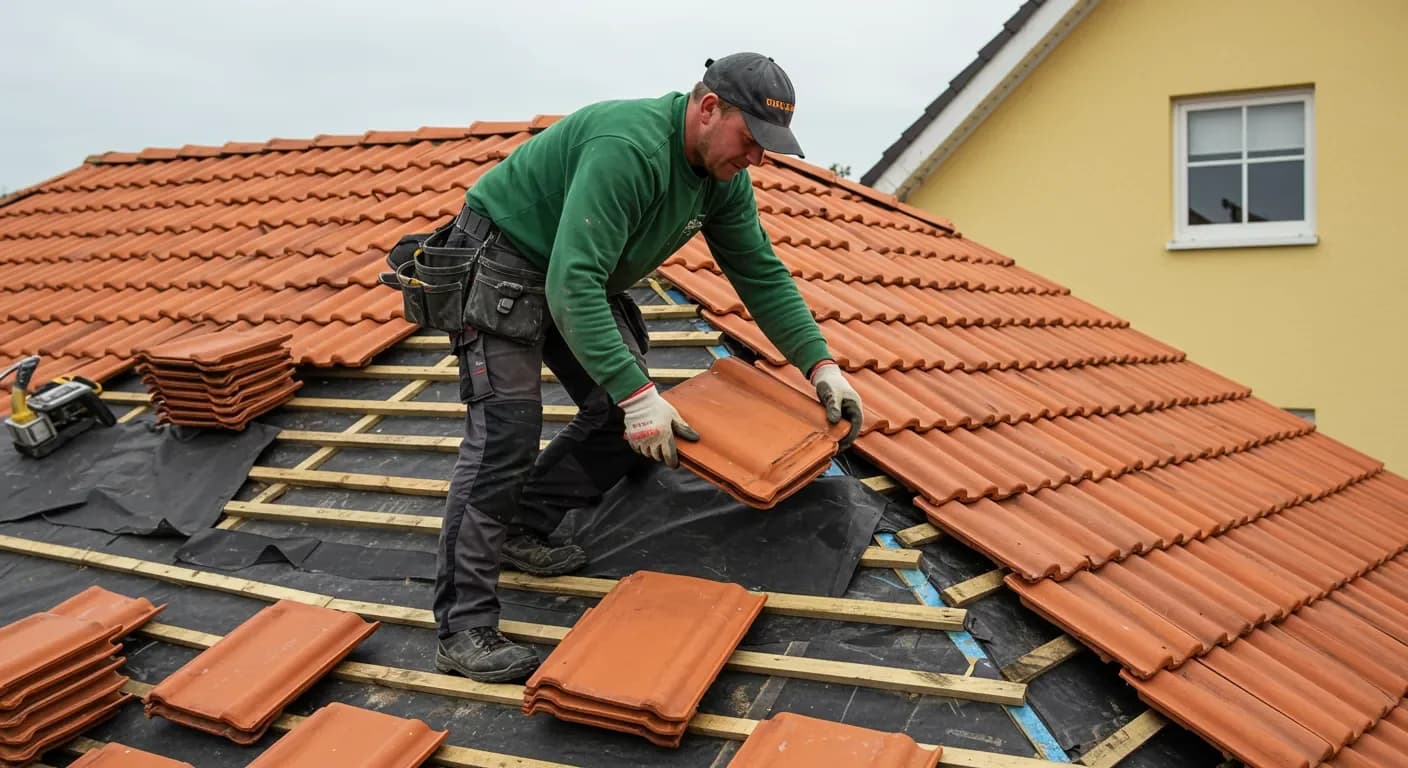
For a replacement, ask for a written scope identifying the shingle model, underlayment, flashing work, ventilation work, tear-off, disposal, and cleanup. After the work, review the invoice and product documentation against that scope. From the ground, look for obvious missing materials or debris, but do not climb onto a roof to inspect it. If you see a leak, exposed underlayment, or suspected installation problem, document it safely and contact the contractor or a qualified independent roofing professional.
Can New Shingles Go Over an Existing Roof?
Whether an overlay is allowed depends on local code, the existing roof's condition and number of layers, the structure, the product instructions, and the project details. Covering existing shingles can conceal damaged decking or flashing and adds weight; it is not automatically appropriate just because it may reduce tear-off work. Ask the contractor to state whether the proposal includes removal, how many existing layers were found, and how concealed damage will be handled. Confirm code and permit requirements locally before work begins.
What a Material Estimate Does Not Include
The roof calculator uses footprint length, width, eave overhang, pitch, waste percentage, and a user-entered bundle price. It returns estimated roof area, squares, bundles, approximate individual-shingle count, and shingle-material cost. The bundle calculation assumes three bundles per square and the individual count assumes 29 shingles per bundle; both are approximations that can differ by product. Verify package coverage and pricing with the supplier. The tool does not determine structural condition, inspect workmanship, choose a product, verify a warranty, calculate a complete installed quote, or establish code compliance.
Technical References
For product-specific decisions, use the current manufacturer's product data, installation instructions, and warranty documents. For broader roofing guidance, consult the National Roofing Contractors Association and the Asphalt Roofing Manufacturers Association. Building requirements vary; confirm applicable requirements with your local building department. This guide is general educational information and is not a roof inspection, code determination, or contractor recommendation.
Atlas Keller's editorial scope covers Infinix material-volume, coverage, and construction planning content. Quantities and costs are estimates, not engineering specifications or supplier quotes.