
Infinix Calculators
Education & GPA

Law School Predictor & LSAT Demon Scholarship Estimator (2026)

By Marcus Vance (LSAT & Admissions Coach)|2026-07-31
Law School Predictor & LSAT Demon Scholarship Estimator (2026)

Key Admissions Insight:

Law school admissions rely heavily on two numerical metrics: your LSAT Score (120–180) and your Undergraduate GPA (2.0–4.0). Scoring above a law school's 75th percentile LSAT median significantly increases your chances of receiving a full-tuition merit scholarship.

When preparing for law school applications, candidates frequently ask: What are my real chances of getting into a top law school with my current LSAT and GPA?

How Law School Predictors Estimate Admission Odds

A Law School Predictor cross-references an applicant's numerical profile against historical admissions outcomes and annual ABA 509 disclosure reports. Admissions committees evaluate three primary bands:

  • Both Above Medians (Super-Splitter / Safety): Both LSAT and GPA exceed the school's 75th percentile. High probability of admission and major merit scholarship funding.
  • Splitter (LSAT High, GPA Low): LSAT is above the 75th percentile while GPA is below the 25th percentile. Strong admissions odds at schools targeting LSAT medians.
  • Reverse Splitter (GPA High, LSAT Low): GPA is above the 75th percentile while LSAT is below median. Admission depends heavily on personal statements and softs.

The GPA & LSAT Admissions Grid (T14 vs Top 50 Tiers)

Top law school tiers maintain strict score benchmarks:

Tier LSAT 50th Median GPA 50th Median Typical Scholarship Band
T14 (Yale, Harvard, Stanford) 170 – 175 3.88 – 3.95 Need-based / Select Merit
Top 20–50 Law Schools 161 – 167 3.60 – 3.80 50% to Full Tuition
Top 50–100 Law Schools 154 – 160 3.30 – 3.55 Half Tuition / Partial

LSAT Demon & 7Sage Scholarship Estimator Math

Popular tools like the LSAT Demon scholarship estimator and 7Sage law school predictor utilize regression models to calculate dollar scholarship estimates. For instance, scoring 3 points above a school's median LSAT can result in an additional $20,000 to $40,000 per year in non-repayable tuition grants.

Calculate Your Scaled Score & Predict Admission Odds

Input your practice test raw correct answers to get your 120–180 scaled score and percentile standing instantly.

Open LSAT Score Calculator

LSAT Raw Score Conversion to Scaled Percentiles

Out of 100 scored practice test questions, raw correct answers convert to scaled scores using strict equating curves:

  • 91–93 Raw Correct: 170 Scaled Score (97th Percentile)
  • 75–77 Raw Correct: 160 Scaled Score (76th Percentile)
  • 55–57 Raw Correct: 150 Scaled Score (44th Percentile)

ABA Disclosure Sources and Admissions References

Frequently Asked Questions About LSAT Score Calculator

How does an LSAT score calculator convert raw scores to scaled scores?
An LSAT score calculator converts your raw score (the number of correctly answered questions out of 100 scored items) into the official 120–180 scaled score using Law School Admission Council (LSAC) conversion tables. Because each exam administration varies slightly in difficulty, equating curves adjust the raw score required for a 160, 165, or 170. Calculate your scaled practice test score instantly with our free LSAT Score Calculator and view the full conversion chart in our LSAT raw score conversion guide.
How does a Law School Predictor estimate admissions chances and scholarship awards?
A Law School Predictor evaluates your combined LSAT score and undergraduate GPA against the 25th, 50th (median), and 75th percentile admissions data of ABA-accredited law schools. If your LSAT score exceeds a school's 75th percentile, your probability of receiving a full-ride or partial merit scholarship increases significantly. Explore admission odds and scholarship tiers with our LSAT Law School Predictor and read our breakdown on how law school predictors work.
What is a good LSAT score for law school admissions in 2026?
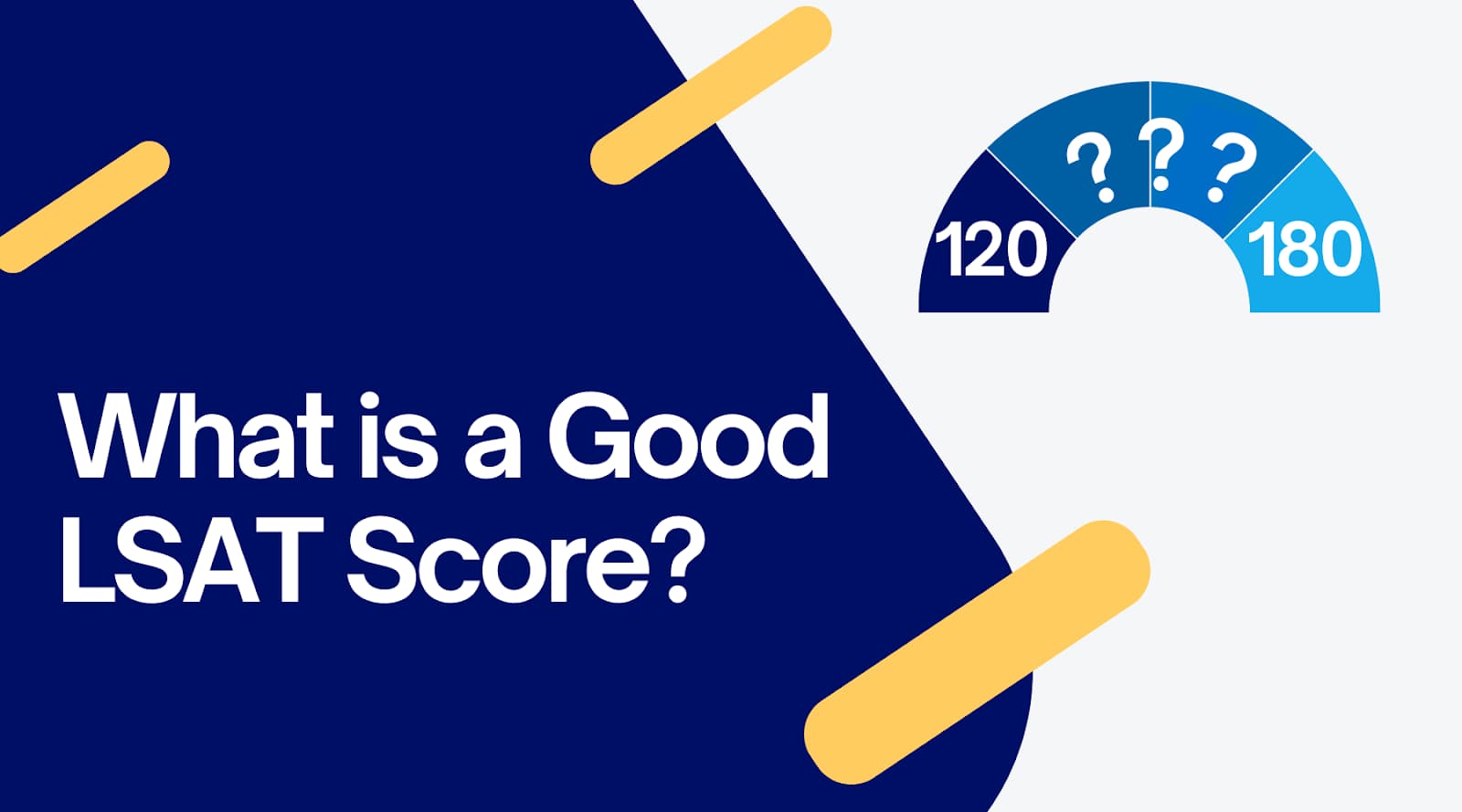
A 'good' LSAT score depends on your target law school tier. A score of 151 is average (50th percentile nationwide). A score of 160+ puts you in the top 20% of test-takers and is competitive for top 50 law schools. A score of 168 to 173+ is required for T14 law schools like Harvard, Yale, and Stanford. Read our full percentile benchmark guide in what is a good LSAT score or calculate your scaled score with our LSAT Estimator.
What is an LSAT Demon scholarship estimator, and how does it compare to 7Sage calculators?
An LSAT Demon scholarship estimator projects potential tuition scholarship funding (full tuition, half tuition, or stipend) based on your LSAT and GPA parameters compared to historic ABA 509 disclosure reports. Unlike 7Sage or LSAT Demon tools that require paid subscriptions for full analytics, our free Infinix LSAT Calculator & Law School Predictor provides instant, zero-paywall raw score conversions and scholarship estimates.
What is an LSAT raw score conversion curve?
An LSAT raw score conversion curve maps the total number of correct answers (out of 100 scored questions across 3 scored sections) to the 120–180 scale. Typically, missing 9 to 11 questions yields a 170 score, missing 25 questions yields a 160 score, and missing 45 questions yields a 150 score. Check exact per-test conversion tables in our LSAT raw score conversion table guide.
What is the top LSAT score achievable?
The top scaled LSAT score achievable is 180, representing the 99.9th percentile of all test-takers. Achieving a perfect 180 usually requires answering 98 to 100 questions correctly out of 100. Calculate your distance from a 180 score using our LSAT Score Calculator.
How long is the LSAT exam in total testing time?
Active testing time for the 2026 LSAT is exactly 2 hours and 20 minutes, consisting of four 35-minute multiple-choice sections with a mandatory 10-minute intermission between sections 2 and 3. On test day, budget approximately 3.5 hours for check-in, identity verification, and remote proctoring setup. Read our timing breakdown in how long is the LSAT exam.
How many questions are on the LSAT exam?
The 2026 LSAT contains 100 scored questions divided into two Logical Reasoning sections (approx. 25 questions each) and one Reading Comprehension section (approx. 25–27 questions), plus one unscored 35-minute experimental section. Total questions on test day equal approximately 125 to 130 items. Read details in how many questions are on the LSAT.
What is a normal LSAT score range vs. average LSAT score?
The normal LSAT score range spans from 120 to 180, with a bell-curve distribution centered around the national average score of 151 to 152. Approximately 68% of all test-takers score between 142 and 160. Determine your percentile rank with our free LSAT Practice Test Calculator.
What's a good LSAT score for T14 law schools?
For top 14 (T14) law schools such as Yale, Harvard, Stanford, Columbia, and Chicago, a good LSAT score is 170 or higher (97th+ percentile), accompanied by an undergraduate GPA of 3.85+. Estimate your T14 admissions probabilities with our Law School Admissions Predictor.