Your Raw Score vs. LSAT Score: How the Conversion Works (2026 Format)
Confused by how your raw LSAT correct answers translate to a scaled score out of 180? Read our 2026 guide to raw-to-scaled conversion, including 75% and 67% thresholds.
Rigorous quantitative formulation transforms raw uncertainty into predictable foresight, equipping educators, learners, and evaluators with trusted metrics.
Boston, MA • Lead Mathematician & Psychometric Systems Editor
Ph.D. Applied Mathematics (MIT)
Dr. Marcus Vance holds a doctorate in Applied Mathematics and has published numerous research papers on psychometric test equating, weighted rating distributions, and applied numerical analysis.
At Infinix Calculators, Dr. Vance oversees the algorithmic architecture of our educational and mathematical tools, including the LSAT raw-to-scaled score conversion engines, law school admissions prediction algorithms, and online rating recovery formulas.
He ensures all formula derivations, boundary condition limits, and conversion constants strictly adhere to published peer-reviewed mathematical standards.


Confused by how your raw LSAT correct answers translate to a scaled score out of 180? Read our 2026 guide to raw-to-scaled conversion, including 75% and 67% thresholds.

Discover what counts as a good LSAT score for T14, top 50, and regional law schools. Explore score distribution curves, averages, and admissions odds.

Learn how law school admission predictors and scholarship estimators work, how your academic index is calculated, and tips to maximize merit aid.

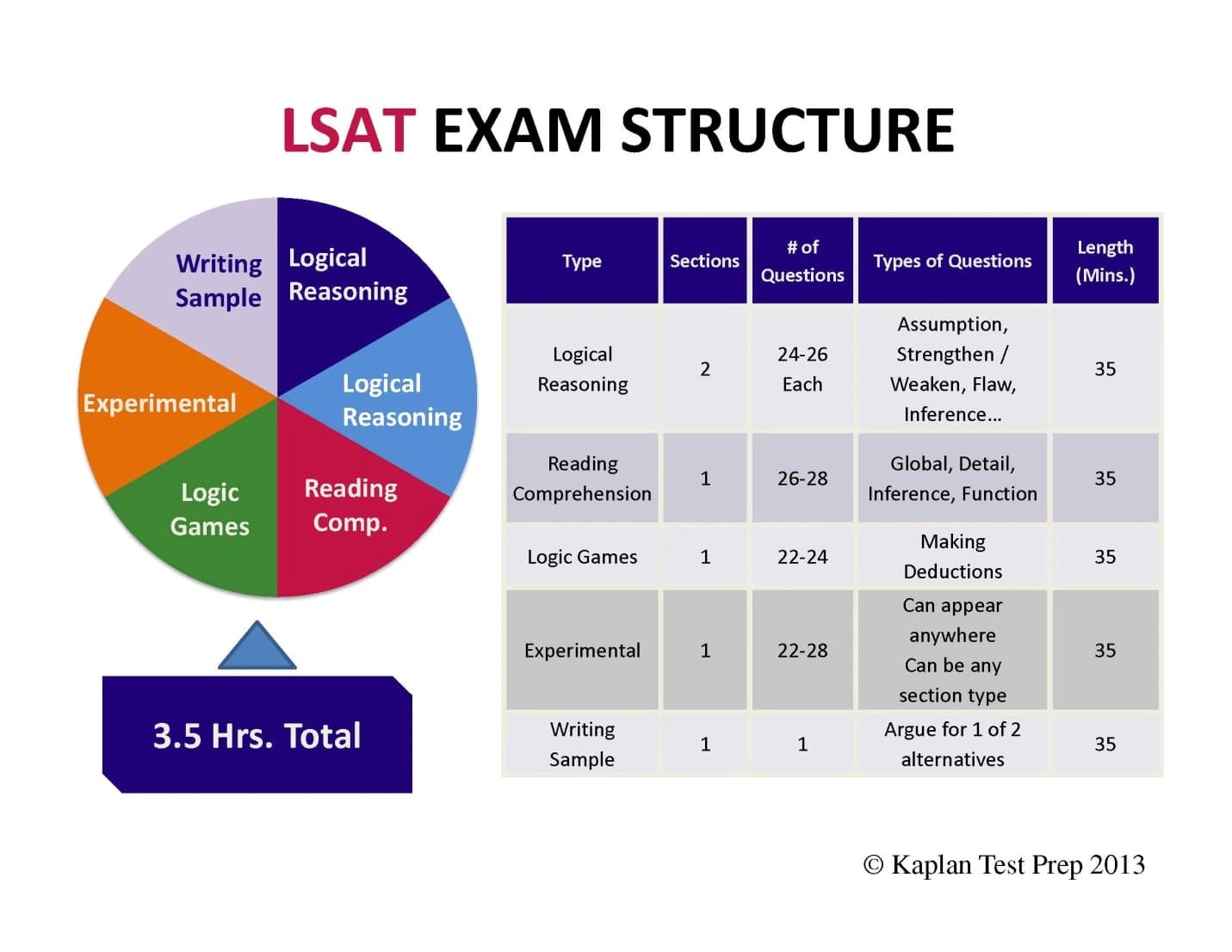
A complete breakdown of the LSAT exam length, section timings, question counts, and strategies for the modern 3-scored-section layout.

Choosing an LSAT prep course is a major financial and academic decision. Read our comprehensive review of 7Sage, Kaplan, Blueprint, and others to find the best fit.

Should you retake the LSAT? Learn the statistics behind score improvements, how law schools view multiple scores, and how to make a data-backed decision.

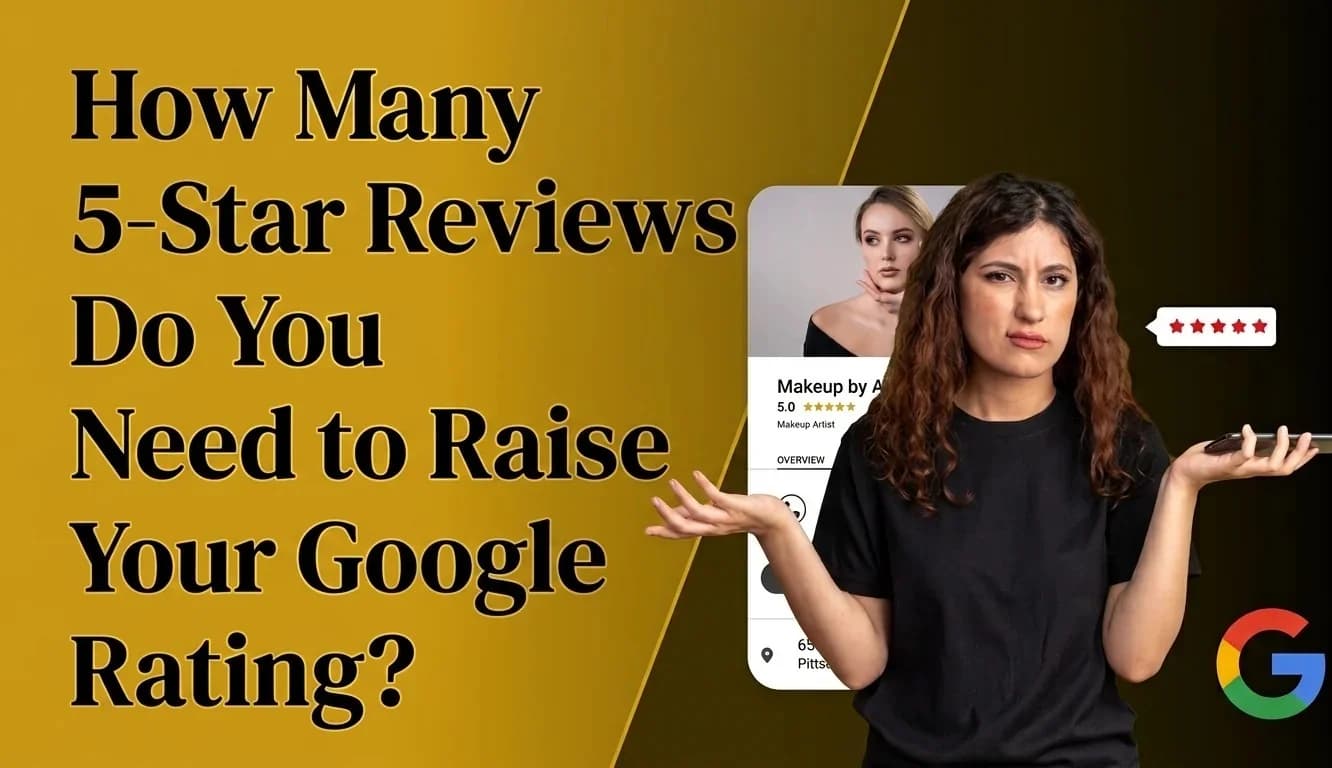
Calculate how many 5-star Google reviews you need to elevate your rating to 4.8 or 5.0. Explore mathematical weighted averages and reputation strategies.

Convert your Logical Reasoning and Reading Comprehension raw scores to an estimated scaled score (120–180) and percentile under the new 2025 LSAT format.

Explore the complete LSAT exam structure, section timing, break rules, and scoring scales. Learn pacing strategies for Logical Reasoning and Reading Comp.

Discover top pink scientific and graphing calculators (Casio FX-9750GIII, TI-84 Rose Gold), Glossier desk aesthetics, cute large-display desktop models, and custom pink web tools.

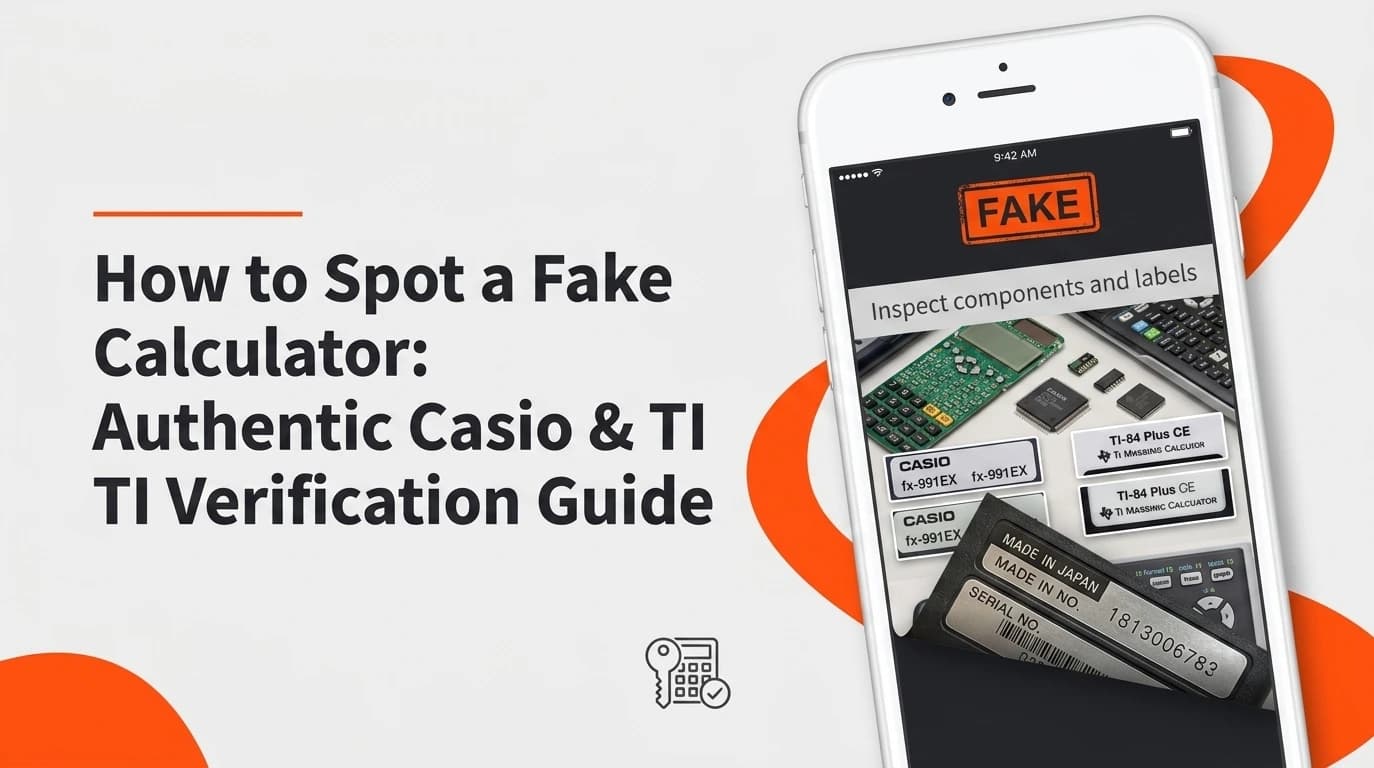
Detect counterfeit Casio fx-991EX, ClassWiz, and TI-84 calculators online. Master QR code checks, SHIFT+7+ON diagnostic tests, solar panel checks, and smartphone secret calculator vault apps.

From Guinness World Record prodigies like Aaryan Shukla to the 1980s calculator debate vs modern LLMs—explore how mental math, digital tools, and AI compare in speed, logic, and accuracy.

Predict your law school admission odds and merit scholarship awards using your LSAT score and undergraduate GPA. Compare T14 percentiles and ABA 509 data.

Master the Google review average math formula. Calculate how many 5-star reviews are needed to reach 4.5 or 4.8 stars, why 4.7 converts better than 5.0, and legal review velocity.

Explore the rise of aesthetic online calculators, pastel pink STEM gear, minimal web widgets, and keyboard shortcuts for studying, accounting, and daily productivity.

Complete mathematical guide to inverse tangent (arctan). Learn exact formulas, radians to degrees conversion, unit circle reference angles, and real-world engineering slope applications.